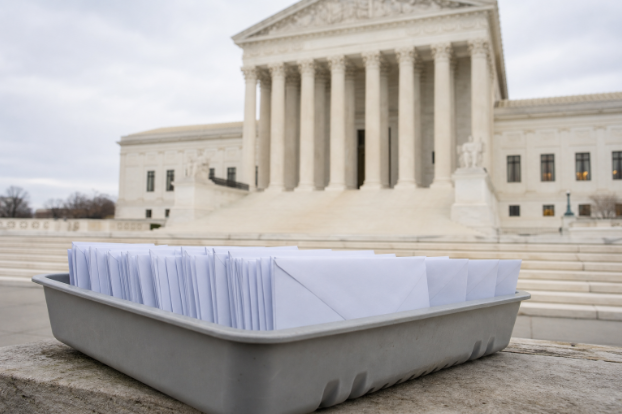
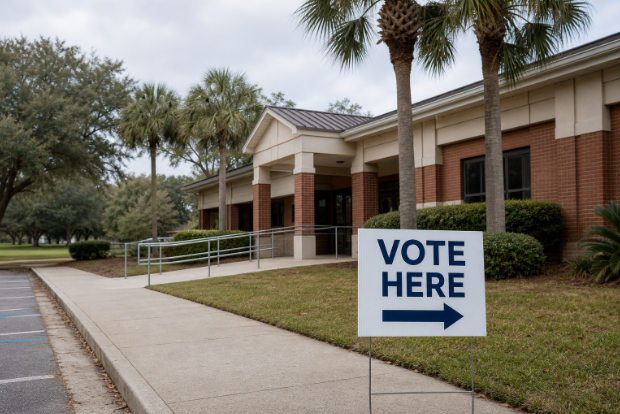
The Supreme Court on Monday opened a path for the Trump administration to begin implementing the president’s executive order restricting mail voting — without deciding whether the order is lawful. The Court’s conservative majority ruled that the 23...
Fifty percent U.S. tariffs on almost $20 billion in Canadian goods took effect at midnight Friday, August 22, after trade talks that both governments had described as nearly complete collapsed in their final hours. Prime Minister Mark Carney, who days earlier had been...
South Carolina Republicans vote Tuesday, August 25, in the runoff that will almost certainly decide who holds Lindsey Graham’s Senate seat. Senator Darline Graham — appointed to the seat after her brother’s death on July 11, encouraged to run by President...
Insurers selling coverage on the Affordable Care Act marketplaces have proposed a median premium increase of 15 percent for 2027, according to KFF’s analysis of rate filings from 276 insurers across all 50 states and the District of Columbia. It is the...
On July 15, roughly 150 research teams across nearly 30 states received notices from the Department of Health and Human Services that their federal grants were canceled, effective immediately. The grants came from the Agency for Healthcare Research and Quality, the...
A Missouri judge ruled Wednesday that the state’s new Republican-drawn congressional map will be used in November — and that the citizens who gathered signatures to overturn it by referendum do not get to vote on it. The ruling removes one of the last obstacles...