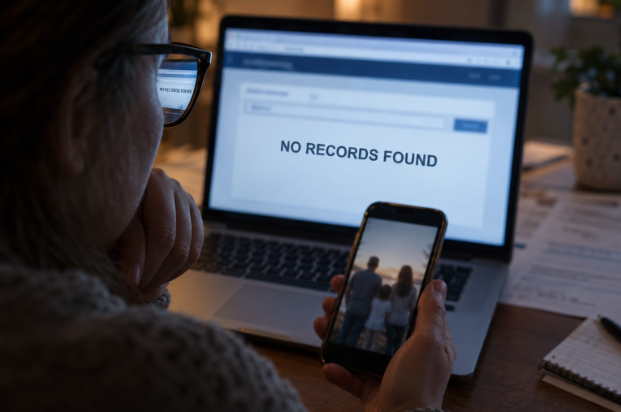
On September 15, with no announcement, Immigration and Customs Enforcement switched off part of its public detainee locator: everyone in its custody who has a final order of removal simply stopped appearing. Lawyers discovered it the way you would expect, by searching...
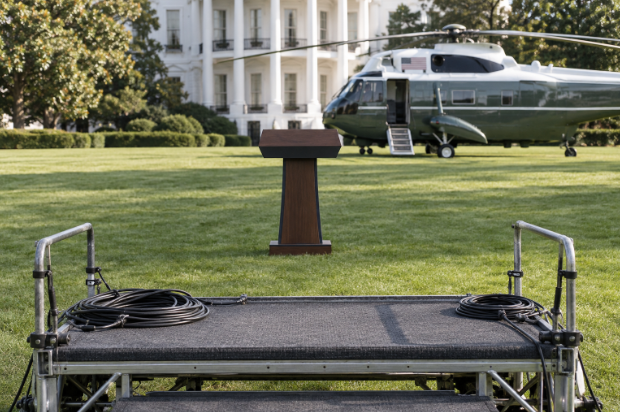
On Monday afternoon, President Trump cut the ribbon on his new White House helipad, and almost nobody heard a word of it. There was no audio feed, because there were no pool cameras, because the network assigned to film the president had been banned from the grounds...
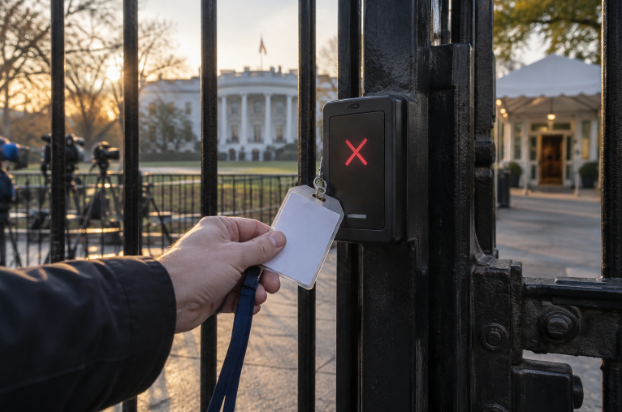
On Saturday morning, MS NOW correspondent Akayla Gardner passed through two security gates at the White House before her badge stopped working. An officer asked her to hand it over and told her the decision came from, in his words, above him. CNN’s Betsy Klein...
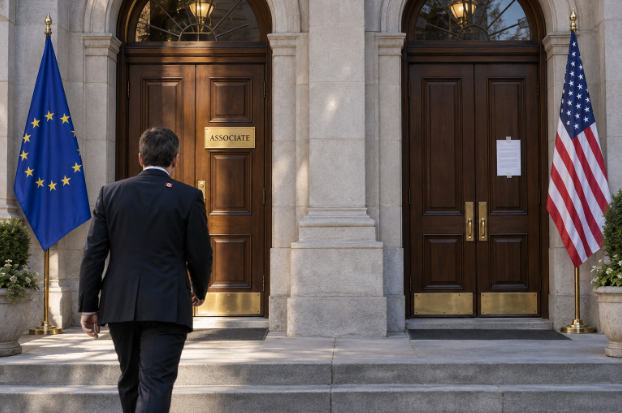
On Wednesday, in her State of the Union address, European Commission President Ursula von der Leyen proposed something that has never existed: associate membership in the European Union, and she named the country she wants to hold it first. Canada. By Thursday,...
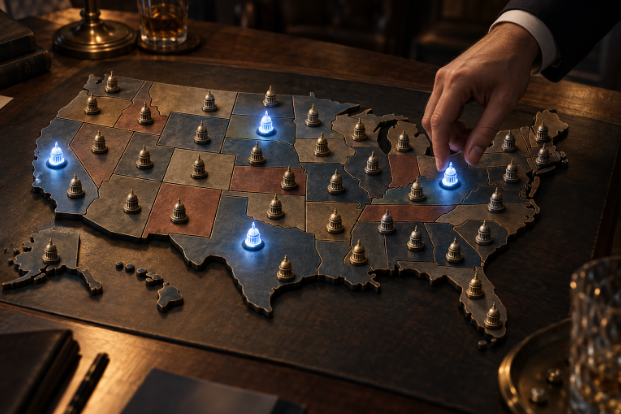
Thirty five Senate seats are on ballots this fall, counting the special elections in Florida and Ohio. Republicans are defending 22 of them, Democrats 13. For control of the chamber to change hands, Democrats need a net gain of four. Every argument about this election...
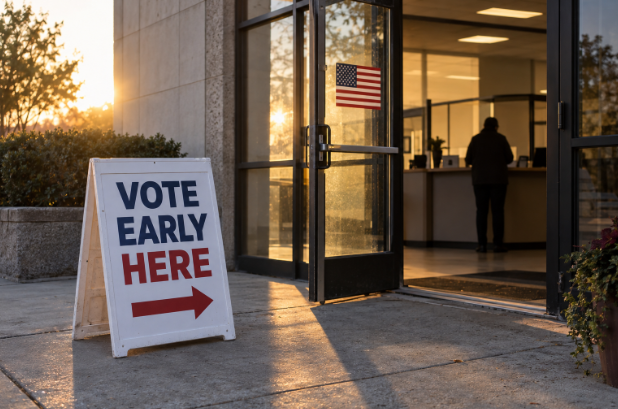
This morning, somewhere in Idaho, Minnesota, South Dakota or Virginia, a voter walked into an election office and cast the first early in person ballot of the 2026 midterms. Those four states opened early voting today, the earliest in the nation. North Carolina has...