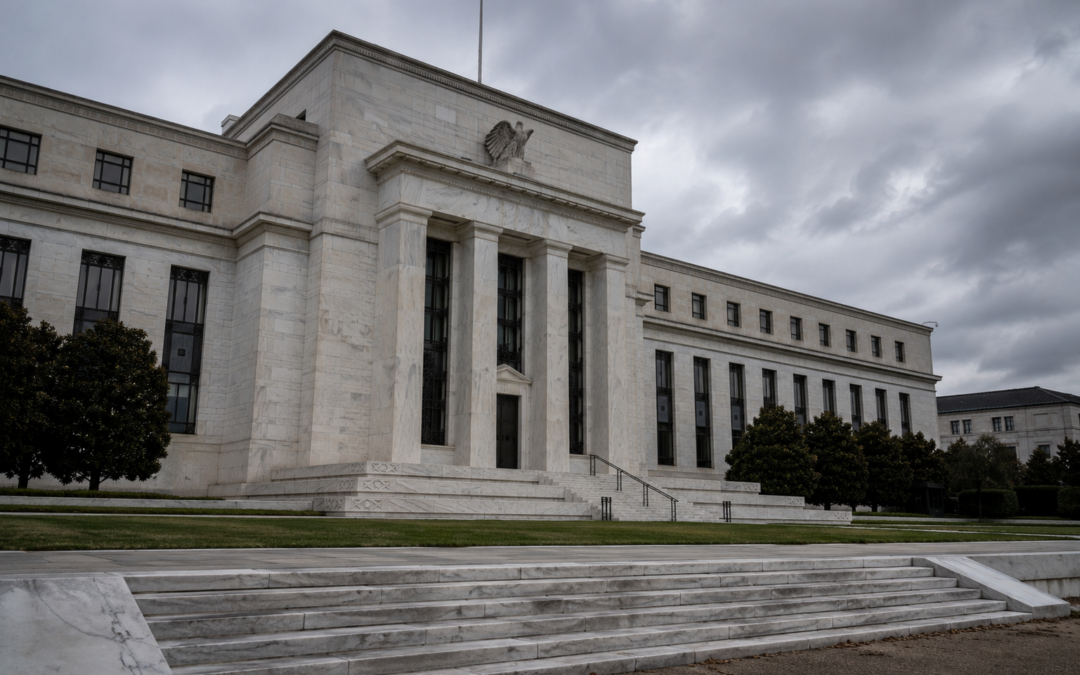
Jerome Powell’s term as chair of the Federal Reserve ends tomorrow. On Wednesday, the Senate confirmed his replacement by a vote of 54 to 45, the closest confirmation of a Fed chair in the modern era and the first to fall almost entirely along party lines. Kevin Warsh, 56, is now the 11th chair of the Federal Reserve.
The vote itself told a story. Every Republican supported Warsh. Every Democrat opposed him except Pennsylvania’s John Fetterman. No Fed chair in recent memory has taken office with that kind of partisan divide behind him.
How We Got Here
The path to Wednesday’s vote was not straightforward. Earlier this year, the Justice Department opened a criminal investigation into Powell, an extraordinary move targeting a sitting Fed chair. Powell called it a consequence of “threats and ongoing pressure” from the administration. Legal experts and economists across the political spectrum described it as an attempt to intimidate the central bank into cutting interest rates.
The investigation was dropped in April after serving its purpose: Warsh’s confirmation process moved forward and the Senate Banking Committee advanced his nomination on a party-line vote. The Senate confirmed him to the Fed’s board of governors Tuesday, then confirmed him as chair Wednesday, both 54-45.
What Trump Wants
Trump has not been subtle about his expectations. He has spent months publicly demanding that the Fed cut interest rates, repeatedly attacking Powell for not moving fast enough. Earlier this year he joked that he would sue Warsh if rates did not come down. The joke landed because everyone understood the underlying pressure it described.
The argument for cutting rates is that lower borrowing costs would stimulate the economy and give consumers some relief. The argument against cutting them right now is inflation. An energy price shock tied to the conflict in the Middle East has kept prices elevated, and investors currently expect the Fed to hold rates steady for the rest of the year, or possibly raise them if inflation worsens.
Warsh, for his part, has pledged to act as an “independent actor” and said he will not set monetary policy based on the White House’s preferences. He said this while being confirmed by a Senate that voted for him entirely along party lines, to replace a chair whose predecessor was subjected to a federal investigation.
Why Fed Independence Matters
The Federal Reserve sets interest rates for the largest economy in the world. Its decisions affect mortgages, car loans, credit card rates, business borrowing, and the price of virtually everything. The whole system is premised on the idea that those decisions are made by economists following data, not by politicians following electoral calendars.
When a president needs lower rates before an election, the incentives do not align with what the data might require. An independent Fed can say no. A Fed that understands it exists at the pleasure of the administration it serves cannot.
Powell said no. He held rates where the data said to hold them. He was investigated by the Justice Department for it. He is leaving the building Friday.
What Comes Next
Warsh’s first Federal Open Market Committee meeting as chair is scheduled for June 16 and 17. By then the economic picture will be clearer. The inflation data will have updated. The interest rate decision will be his to make.
He has promised independence. The circumstances of his confirmation make that promise worth watching closely. A chair who arrived after his predecessor was investigated, confirmed by a Senate that split entirely on party lines, serving a president who has publicly promised rate cuts, will face a test the moment the data says one thing and the White House wants another.
That test is about six weeks away.