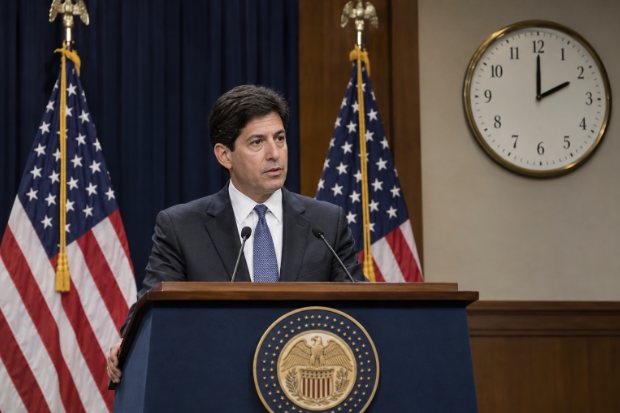
At 2 p.m. Eastern this afternoon, the Federal Reserve announces whether it is raising interest rates for the first time since July 2023. Futures markets put the odds of a quarter point hike at 93 percent, which would lift the benchmark rate to a range of 3.75 to 4 percent. It would be the first increase in three years, and it would land 48 days before the election. Here is everything you need before the announcement, and exactly what it costs you if it lands.
You were told this was coming. When the August jobs report landed with 162,000 new jobs against a forecast of about 56,000, we wrote that a genuinely good jobs report buys you a rate hike. Friday’s inflation report closed the case: prices up 3.4 percent over the year, the same pace as July, with gasoline up 3.9 percent in August alone and the core reading coming in hotter than forecast, ending three months of softer numbers. By Monday, the market had made today all but official.
Here is what the Fed is answering. Inflation has now run above its 2 percent target for more than five years. The war in Iran has kept oil above 100 dollars a barrel, up 20 percent this month. And the tariffs keep arriving at the ports; the latest 50 percent tranche on 110 Canadian products took effect yesterday morning. A rate hike fixes none of that. What it does is make every borrowed dollar more expensive until spending slows enough to drag prices down with it. That is the whole tool.
Inside the room, this fight started in July. That meeting ended in a 9 to 3 vote to hold, with Beth Hammack of Cleveland, Neel Kashkari of Minneapolis and Lorie Logan of Dallas voting to raise rates then. Those three vote again today. So does a name worth pausing on: Governor Jerome Powell, the chair who signed the last hike in 2023, now a rank and file member of the committee his successor runs. Watch the vote count at 2. A unanimous hike says one thing; fresh dissents, in either direction, say another.
The man in the chair is the story. Kevin Warsh was Donald Trump’s pick, and the Wall Street Journal reported that the president has called him repeatedly since he took the job, seeking his read on the war and the economy, a line of communication the paper described as a departure from recent precedent. On Sunday the White House’s top economic adviser, Kevin Hassett, himself a contender for the chair, said inflation is getting better and the Fed does not need to raise rates. He added that Trump “100% respects” the Fed’s independence and would “100% support” the decision, while conceding the president would not be “super happy” about a hike.
The pressure runs the other way too. A Duke University survey of 32 former Fed officials and staff found 29 saying raise. One respondent put the stakes plainly: “The Fed and new chair’s credibility is on the line.” Deutsche Bank calculates that a hold today would be the biggest dovish surprise at a scheduled Fed meeting since the committee began announcing its decisions in 1994. And with the White House publicly wanting lower rates, holding steady while the whole market expects a hike would invite the one suspicion the Fed cannot afford: that Warsh is accommodating the president who appointed him.
Now look at the calendar, because it explains why today matters more than a quarter point. The Fed’s next meeting ends October 28, six days before the election. No committee wants to touch rates six days before an election; whichever way it moved, the move would be read as political. So today is, in practice, the last scheduled rate decision before November 3. The one after that comes December 9, the same week as the December 11 government funding deadline and the mid December health insurance signup crunch we mapped on Sunday. If rates rise today, the December cliff gets one plank steeper.
Alongside the decision, the committee publishes its quarterly projections, the dot plot, showing where each member thinks rates go from here. In June, the median dot pointed to 3.8 percent by the end of 2026, which meant exactly one hike this year. Markets are now pricing two by December. The new dots tell you whether the committee agrees, and how much more is coming in 2027.
Here is your bill if the hike lands. Credit card rates are variable and track the Fed, so a quarter point shows up on statements within a billing cycle or two. Adjustable mortgages, home equity lines and small business credit lines reprice on the same clock. New car loans get more expensive at the dealership. Savers get the one good line in this story: high yield savings and CD rates tick up. Fixed mortgages key off the 10 year Treasury, which touched 5 percent this week for the first time since 2007, before the Fed lifted a finger. If you have been waiting to lock a rate, the waiting has not been free.
At 2:30, Warsh takes questions. Listen for three things: whether he personally endorses the move, any hint about December, and whether anyone asks about the phone calls. His record going in: at Jackson Hole in August he said inflation is running too high, telling the room “We have work to do.” He has refused to give markets forward guidance, preferring what he calls a “good family fight” over the data inside the meeting. This afternoon we find out who won the fight.
Step back and the month reads clean. A strong jobs report gave the Fed room to hike. Five years of high prices, this month’s gas spike and the tariff bill gave it the reason. By 2:30 this afternoon you will know what it did with both. And because October sits too close to the election to touch, the Fed will not move again until December 9. Between now and then, the only lever left is the one in your hands. November 3. Forty eight days.