
The number is 3.7 percent. That is how much consumer prices rose over the year through September, up from 3.4 percent in August, hotter than the 3.6 economists expected, with a 0.6 percent jump in the month alone, the fastest of the year. CNN’s label for the release was exact, the last snapshot of consumer prices before the midterms, because the next one arrives in mid November, after the votes are counted. Put it beside the jobs report from two weeks ago and the economic record voters will carry into the booth is now complete and closed. Hiring at 29,000 a month and stalling. Prices at 3.7 percent and accelerating. Whatever the campaigns claim for the next three weeks, those are the final entries.
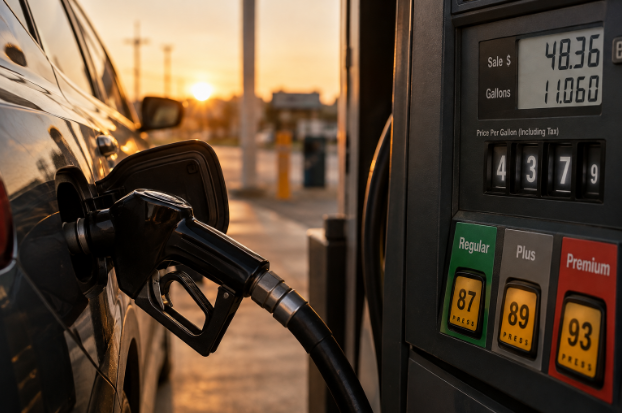
Inside the report, the pump did the loudest damage. Gasoline rose 9.1 percent in September alone, over half the month’s entire increase by the government’s own accounting, and gas prices are up 34 percent over the past year. The broader energy index climbed 5.2 percent in the month after 2.1 in August, the war premium from the Iran conflict still compounding as attacks on shipping in the Strait of Hormuz pick up. The more worrying line for anyone reading past the pump is core inflation, which excludes food and energy entirely and still accelerated, from 2.4 to 2.6 percent on the year, with shelter and used cars pushing it. One market strategist noted core prices inside September ran at a 3.7 percent annualized pace. The heat is spreading off the barrel and into the rest of the cart. Diesel carries the same war premium, and diesel is the fuel that moves groceries to shelves, which is how an oil price becomes a food price a few weeks later.
Now the paycheck arithmetic this newsletter has tracked all fall. Average wages rose 0.1 percent in September and 3.0 percent over the year, the weakest wage month of 2026, while prices rose 3.7. The chief economist at Navy Federal Credit Union put the gap plainly, inflation near four and raises at three is a big gap, and the pressure sits in too many categories to shop around. In real terms the typical paycheck bought less in September than it did in August, and less in August than in July. The squeeze is not a talking point. It is a subtraction problem, and it has run the same direction for months.
The Federal Reserve now walks into its late October meeting holding two numbers that argue with each other. The jobs report said 29,000 and pause. The price report says 3.7 and hike. The Fed already raised rates a quarter point in September, its first increase in three years, declaring inflation elevated, and traders moved toward expecting more after Wednesday’s print. Either path lands on households. Another hike pushes mortgages and card rates higher into a job market adding almost nothing. A pause concedes that prices run hot into the winter heating season. Most analysts expect the Fed to skip October and move once more before the year ends, and some forecasters now see headline inflation touching 4 percent by December.
Where the heat comes from deserves an honest sentence, because it has more than one source. The war put a premium on oil and everything refined from it, gasoline, diesel, jet fuel. Tariffs sit inside goods prices. The data center construction boom is bidding up materials and power. Travel demand will not quit. And the policy fingerprints are visible where they exist. The Russia diesel arrangement was sold as price relief and has instead produced a bipartisan revolt in Congress, while the president has taken to blaming Ukraine’s leader for American gas prices. Prices have many parents. An election is where custody gets assigned.
The same 8:30 release did one more job on Wednesday. September’s figure is the final input to the Social Security formula, and the annual raise announcement was scheduled for the same morning. The hot print points the formula at roughly 3.5 to 3.6 percent, about 75 dollars a month on the average retired worker’s check, reaching 75 million people in January, with the official figure pending as this piece publishes. Hold the celebration to one hand. A big raise is a receipt for a bad year, the adjustment pays you back for prices you already absorbed, and the Medicare Part B premium, announced in mid November, comes out of the same check before anyone sees the increase. Seniors vote at the highest rate of any age group, and they will read this report again in their January deposit.
The politics are not subtle and do not need our help. A Republican senator predicted months ago, on the record, that gas prices would decide the midterms, and gas is up 34 percent. The president’s approval just touched its lowest reading ever in Fox News polling. He insisted this week that inflation is low on the same day his own Labor Department printed 3.7. The taxpayer funded airwaves have spent the fall describing one economy while the register describes another, and every voter stands at both. The Hill’s summary of the release ran five words, no relief for Republicans.
The honest caution cuts the other way, so here it is. This is 3.7, not the 9 percent of 2022. Unemployment at 4.2 remains low by any historical standard. Core at 2.6 sits closer to the Fed’s target than the headline suggests. A war premium can unwind as quickly as it arrived if the shipping lanes calm. And one hot month proves nothing on its own. Three months pointing the same direction is a trend, though, and that is what this fall has printed, slowing wages, stalling hires, rising prices, each report confirming the last.
So the scoreboard is dark now on both sides. The last jobs number before the election is 29,000. The last price number is 3.7. Neither can be revised, improved or spun into something else before November 3. The argument about what they mean belongs to the campaigns for three more weeks. The receipts belong to the kitchen tables that have been paying them all year, and those tables vote.