
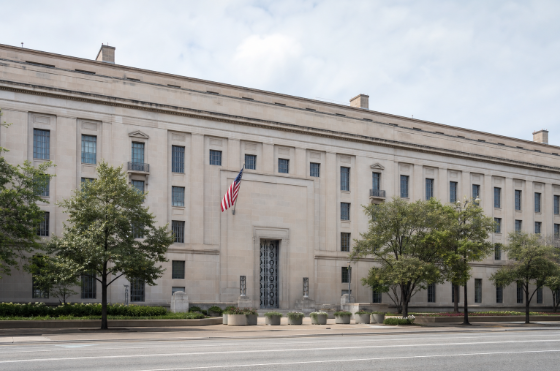
The Senate voted 50 to 49 in the early hours of Saturday, August 8, 2026, to confirm Todd Blanche as Attorney General of the United States. Every Democrat voted no, joined by two Republicans: Susan Collins of Maine and Lisa Murkowski of Alaska. Senator Mitch McConnell of Kentucky was absent, recovering from a fall earlier this summer. The vote that decided the outcome belonged to Senator Bill Cassidy of Louisiana, who announced Friday that he would support the nomination. Cassidy is a lame duck: Louisiana Republicans denied him renomination in the state’s May 16 primary, five years after he voted to convict Donald Trump at his second impeachment trial. Blanche, who spent years as Trump’s personal criminal defense attorney before joining the administration, now permanently leads the Justice Department, a department of more than 100,000 people that includes the FBI and every United States Attorney’s office in the country.
How the Vote Came Together
Blanche’s confirmation was in real doubt for most of the week. Collins announced on August 4 that she would vote no, citing the Justice Department’s eroded independence under his leadership. Murkowski followed on the morning of August 7, saying she lacked confidence that Blanche would check what she called the administration’s “worst impulses,” and citing among other things the department’s handling of the Jeffrey Epstein files and its attempt to indict six Democratic members of Congress, which a federal grand jury refused to approve. With McConnell absent, those two defections left Blanche with exactly 50 Republican votes, and no room for a third. Cassidy met with Blanche during the week and announced his support Friday. He acknowledged concerns about aspects of Blanche’s record, including the arrangement shielding the president from IRS audits and the department’s pursuit of cases against the president’s perceived political opponents, but voted to confirm. The Senate held the vote in the early morning hours of Saturday, then adjourned for its five-week August recess.
Who Todd Blanche Is
Blanche spent nearly 15 years as a federal prosecutor at the Justice Department, rising to Assistant United States Attorney and a supervisory role in the Southern District of New York, before leaving for private practice, where he built a white-collar criminal defense practice. He became Donald Trump’s personal criminal defense attorney and represented him through his federal and state criminal trials before the 2024 election. The Senate confirmed him as Deputy Attorney General, the department’s second-ranking official, by a 52-46 vote in March 2025. He became Acting Attorney General in April 2026 following Pam Bondi’s departure, and Trump then nominated him to hold the office permanently. Saturday’s vote completes that elevation: the president’s former personal defense lawyer now holds ultimate supervisory authority over federal prosecutions handled by the Justice Department.
Cassidy’s Position
Cassidy’s vote drew attention because of what he no longer had to lose. A physician who served in the House before winning his Senate seat, Cassidy was one of seven Republican senators who voted to convict Trump at the February 2021 impeachment trial that followed the January 6 attack on the Capitol. Trump promised political consequences for the Republicans who cast that vote. In Louisiana’s May 16, 2026 primary, the state’s first under its new closed-primary system, Cassidy finished third, behind Trump-endorsed Representative Julia Letlow and state Treasurer John Fleming, becoming the first Republican senator denied renomination in nearly a decade. He leaves office in January 2027. Freed from any electoral pressure, Cassidy could have voted either way without consequence. He chose to confirm. His vote, along with the votes of 49 other Republicans, made Blanche attorney general. Collins and Murkowski, the two Republicans who voted no, are the same two who have broken with the administration on a series of confirmation and oversight votes this year.
What Blanche Now Controls
The attorney general leads the Department of Justice and its more than 100,000 employees, including the FBI, the Drug Enforcement Administration, the Bureau of Alcohol, Tobacco, Firearms and Explosives, the U.S. Marshals Service, the Bureau of Prisons, and the 93 United States Attorney’s offices that prosecute federal crimes nationwide. The matters awaiting Blanche’s permanent leadership are the same ones that nearly sank his confirmation: the department’s handling of the remaining Epstein-related materials, the aftermath of the failed grand jury effort against six members of Congress, the Fauci contempt referral that Senator Rand Paul’s committee sent to the department on August 6, and the ongoing litigation over the National Guard deployment in Washington. Each of those is now his to direct, with the Senate’s confirmation behind him and no further Senate check on his tenure short of impeachment.
Where Things Stand
The Senate left Washington immediately after the vote, beginning a five-week recess that runs through mid-September. Before adjourning, it also passed the continuing resolution funding the government through December 11, averting an October shutdown. Trump’s demand that the Senate stay in session to pass the SAVE America Act, his election overhaul bill, was set aside in a deal with Senate conservatives that contemplates a vote on the bill’s voter identification provision after the recess. Blanche was sworn in as attorney general with three years remaining in Trump’s term. The next scheduled opportunity for the Senate to weigh in on the Justice Department’s conduct is its ordinary oversight calendar, which resumes in September.