
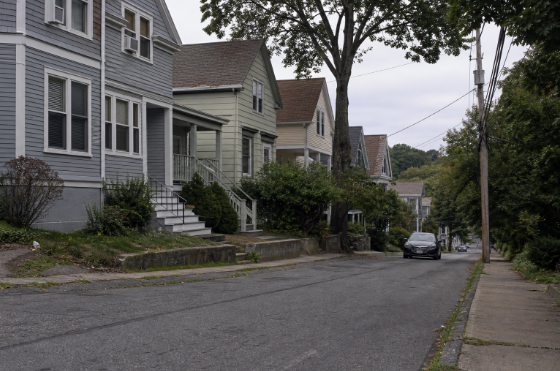
On the morning of July 13, 2026, Johan Sebastián Durán Guerrero was in his car in the neighborhood where he lived in Biddeford, Maine, when a U.S. Immigration and Customs Enforcement agent shot and killed him. He was 26 years old. He had a partner and a 3-year-old daughter. He had been in the United States for about three years, had legal work authorization, had been issued a Social Security number, and was in the process of applying for asylum. Senator Angus King’s office said ICE was not looking for Durán Guerrero when the agent opened fire — agents were attempting to locate someone else. ICE called him an illegal alien. The Maine Immigrants’ Rights Coalition said the characterization was inaccurate and that he was authorized to be in the country and to work. His daughter was still in her pajamas when she and his wife were brought to the scene. Within days, an Associated Press investigation revealed that the agent who fired the shots had been rejected by the U.S. Army because of documented mental health diagnoses, that military recruiters later encouraged him to stop taking his psychiatric medication for a year and try again, and that he had a documented history of violent behavior going back years. ICE hired him in early 2026.
Who Johan Sebastián Durán Guerrero Was
Durán Guerrero was from Bucaramanga, Colombia. He had been living in Biddeford, a small city in southern Maine, for about three years. He worked as a cleaner and as a DoorDash delivery driver. He drove a small white sedan that neighbors and friends often saw him using for deliveries. He had a partner and a daughter who was 3 years old at the time of his death. The Maine Immigrants’ Rights Coalition and Presente! Maine said he was authorized to work in the United States and had been issued a Social Security number. His status as an asylum seeker meant his case was pending before immigration authorities. ICE said he had an order of deportation and was an illegal alien. Senator King’s office told reporters that ICE agents were not actually there for Durán Guerrero but were searching for a different individual in the neighborhood. Colombian President Gustavo Petro published a statement condemning the killing. Durán Guerrero’s wife spoke publicly for the first time in the days after his death. She and their daughter, still dressed in Bluey character pajamas and a pink backpack, were present in the aftermath of the shooting.
The Agent: Rejected by the Army, Hired by ICE
The ICE agent who shot Durán Guerrero has been identified as David Brouillette, an Army veteran. According to the AP investigation published July 16 and 17, Brouillette has struggled with serious mental health issues since early childhood. When he first attempted to enlist in the U.S. Army, military recruiters rejected him because of those diagnoses. The AP reported that recruiters later told Brouillette he could reapply if he stopped taking his psychiatric medication for a year. He did, and was subsequently accepted. He served in the Army for approximately eight years, including a deployment to Afghanistan in 2012, in roles that included quartermaster, chemical equipment repairer, medical logistics specialist, and later human intelligence collector. His ex-wife, Ashley Brouillette, told the AP she had previously reported concerns about his mental health to his military superiors. She said that when Brouillette told her ICE had hired him, she thought he was experiencing a mental health episode because it seemed so implausible given what she knew of his history. Family members and others who knew Brouillette described a documented pattern of violent and threatening behavior toward women in his life. One person shared a voicemail from earlier in 2026 in which Brouillette said he thought someone should slit her throat. After the July 13 shooting, the AP reported that Brouillette attempted to contact his ex-wife and asked her to provide information that would help his account of events.
ICE’s Hiring Surge and the Vetting Question
Brouillette had previously worked as a police officer at the Togus VA Medical Center in Maine and later at the Department of Veterans Affairs before being hired as an ICE officer in early 2026. The Trump administration has significantly expanded ICE’s workforce as part of its immigration enforcement expansion, setting aggressive arrest quotas and adding personnel at a pace that critics and former officials say has outpaced the agency’s ability to properly vet recruits. The AP’s reporting on Brouillette’s mental health history, his initial Army rejection, the manner in which he came to be accepted, and his subsequent record of threatening behavior has prompted Democratic members of Congress to demand answers from the Department of Homeland Security about the screening and training standards applied to ICE enforcement officers hired under the current administration. As of the date of publication, DHS had not publicly released information about Brouillette’s hiring process or the specific screening conducted before he was authorized to carry a weapon and conduct enforcement operations.
Three Deaths in Eight Days: The Traffic Stop Pattern
The killing of Durán Guerrero in Biddeford on July 13 was not an isolated incident. On July 7, Lorenzo Salgado Araujo, a 52-year-old father of three, was driving to work in Houston when ICE agents pursued his vehicle and shot and killed him. There was a third fatal shooting involving ICE traffic stop operations during the same period. Three people died during ICE vehicle stops in eight days. In the immediate aftermath, the Department of Homeland Security issued internal guidance directing ICE Enforcement and Removal Operations agents to largely suspend vehicle stops until further notice. The pause was described as a safety measure intended to allow the agency to review its tactics. On July 15, the same day Maine Governor Janet Mills called publicly for ICE reform, President Trump posted to Truth Social overturning the pause. ICE confirmed to CBS News shortly after that deportation officers were again authorized to conduct vehicle stops.
Maine’s Governor Calls for Reform or Abolition
Governor Janet Mills of Maine visited Biddeford following the shooting and on July 15 sent a letter to Maine’s congressional delegation calling for immediate action. “ICE needs to be fundamentally reformed,” Mills wrote, “and if not, then it is time to abolish it.” She asked Congress not simply to express concern but to act to require ICE to respect the rule of law. Mills is a Democrat. Her call was notable because demands to abolish ICE, which have been made by progressive lawmakers and activists for several years, have rarely come from sitting governors. The letter came on the same day the White House reversed the vehicle stop pause. Senator Susan Collins of Maine, a Republican, had earlier called for a halt to what she described as non-urgent vehicle stops while the incidents were investigated. Residents of Biddeford held public gatherings in the days after the shooting. Durán Guerrero’s family remained in Maine as the investigation into his death continued.