
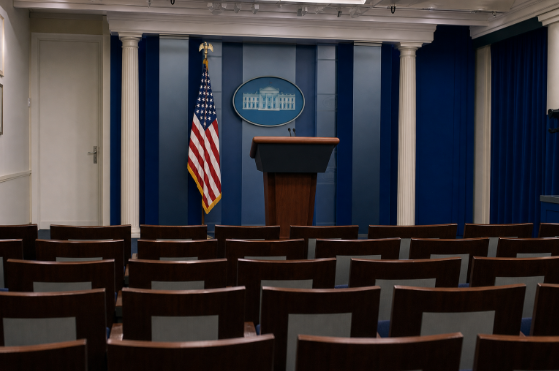
On the evening of July 16, 2026, President Trump is scheduled to deliver a rare primetime address from the White House focused on elections. According to reporting by multiple news organizations in the days leading up to the address, Trump plans to present what he describes as newly declassified intelligence showing foreign interference in the 2020 presidential election, with a particular focus on claims about voting machine vulnerabilities. The address is scheduled for 9 p.m. Eastern. CIA Director John Ratcliffe, acting Director of National Intelligence Bill Pulte, FBI Director Kash Patel, and Homeland Security Secretary Markwayne Mullin are expected to appear alongside the president. The White House has not disclosed which foreign nation the documents are said to implicate. Trump told reporters in the Oval Office on July 15 that the address would include a “very big announcement” about election security. This article covers what has been established by the U.S. intelligence community, federal courts, and official election reviews about the 2020 election and Trump’s ongoing effort to impose new voting restrictions ahead of November’s midterms.
What U.S. Intelligence Has Already Concluded About 2020
In March 2021, the country’s leading intelligence and security agencies published a declassified assessment of foreign threats to the 2020 election. The assessment concluded that there were “no indications that any foreign actor attempted to alter any technical aspect of the voting process in the 2020 elections, including voter registration, casting ballots, vote tabulation, or reporting results.” That finding was the joint conclusion of the intelligence community, which includes the CIA, FBI, NSA, and the Office of the Director of National Intelligence. The Cybersecurity and Infrastructure Security Agency, which is responsible for securing election infrastructure, separately concluded there was no evidence that any voting system deleted, lost, or changed votes in the 2020 election. The agency called the 2020 election “the most secure in American history.” Election officials across both parties, in states that conducted multiple audits and recounts, reached the same conclusion. More than 60 court cases challenging the 2020 results were dismissed, with judges appointed by both Republican and Democratic presidents finding no credible evidence of fraud sufficient to change the outcome.
Foreign Influence Versus Foreign Interference: What the Record Shows
The 2021 intelligence assessment did confirm that foreign nations conducted influence campaigns during the 2020 election. Iran and China ran social media and disinformation campaigns aimed at weakening Trump’s standing. Russia conducted a campaign aimed at denigrating then-candidate Biden. These influence operations were documented and publicly disclosed by the intelligence community. What the assessment did not find was interference with voting systems, vote tallying, voter registration databases, or any technical component of the election itself. The distinction matters: foreign governments attempting to shape public opinion through social media is a different category of activity from altering votes or corrupting election infrastructure. The intelligence community has consistently maintained that distinction in its public assessments. Victoria Bassetti, an election security expert at States United Democracy Center, said in response to news of the planned address: “There has been six-plus years of consistent findings from the intelligence community and from everyone who has looked at it that there was no foreign interference in 2020, and our voting systems were secure and accurate.”
What Federal Courts Have Said About Trump’s Election Claims
Trump signed two executive orders in his second term seeking to impose new federal requirements on elections. Both have been blocked by federal courts. The first, signed in March 2025, would have required Americans to provide documentary proof of U.S. citizenship when registering to vote in federal elections. A federal judge in Boston permanently blocked it in June 2026, ruling that the president lacks constitutional authority to impose voting requirements because the Constitution reserves election administration to the states and to Congress. The court found there was “no evidence in this record of widespread ‘illegal voting, discrimination, fraud, and other forms of malfeasance and error’ within American elections.” The second executive order, which would have curtailed mail voting, was blocked on June 25, 2026, by U.S. District Judge Indira Talwani in a 37-page ruling also finding it unconstitutional. Courts also blocked a component of the first order that directed federal agencies to compile a database using Social Security numbers and citizenship status to identify potentially ineligible voters. A judge found that the administration had knowingly fed inaccurate data to states, which were then conducting voter roll purges based on that data.
The SAVE Act: What Congress Has Not Passed
Alongside the executive orders, Trump has spent months demanding that Congress pass the SAVE Act, which is formally titled the Safeguard American Voter Eligibility Act. The bill would require Americans to present a U.S. passport or birth certificate in order to register to vote. Research by the Brennan Center for Justice found that approximately 21 million eligible American citizens lack ready access to either of those documents. As of July 16, 2026, the SAVE Act has not passed the Senate. It faces a filibuster threat, meaning it would need 60 votes to advance, and Republican leadership has not demonstrated the votes to clear that threshold. Trump has publicly blamed Senate Republicans for failing to move the bill.
The Address in Context
Tonight’s address marks the first time Trump has used a formal primetime White House address to focus on elections. The speech comes six years after the 2020 election, 18 months into his second term, and less than four months before November’s midterm elections. Trump has made election rules a central demand of his legislative agenda this year. His two election executive orders have been blocked by courts. The SAVE Act has stalled in the Senate. Election experts and democracy advocates say the pattern of claiming fraudulent elections, presenting unverified evidence of interference, and demanding new voting requirements before a competitive election serves to cast doubt on the process itself before votes are counted. Trump has previewed the address as containing a “very big announcement.” The specific content of the intelligence he plans to present has not been made public ahead of the address.