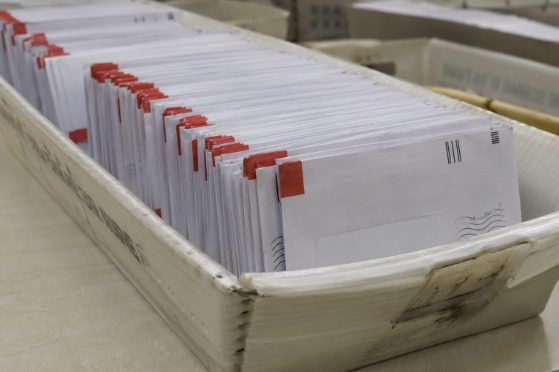
U.S. District Judge Indira Talwani in Boston ruled on June 25, 2026, that the Trump administration cannot enforce key parts of an executive order that would have let the U.S. Postal Service refuse to deliver mail ballots to voters who were not on a federally generated list. The order, which Trump signed in March 2026, also directed the Department of Homeland Security to build a nationwide list of every adult citizen using Social Security Administration and other federal databases, then hand that list to each state’s chief election official. Twenty three states and the District of Columbia sued to stop it. Talwani, an appointee of President Obama, sided with them, ruling the order exceeds the president’s constitutional authority over elections.
What the Order Actually Tried to Do
Under the plan, the Postal Service would only have been authorized to deliver a mail ballot to someone whose name appeared on an approved list, a list states could “routinely supplement” but did not control outright. Separately, DHS was directed to compile its own master list of citizens nationwide and send each state a copy, even though voters would still have to register under their own state’s existing rules. In practice, this meant a single federal agency, not state election officials, would have had a say in whether an individual voter’s mail ballot reached them at all.
Why the Judge Said No
Talwani’s ruling rests on a basic structural point: the Constitution gives the power to set the times, places, and manner of federal elections to state legislatures and to Congress, not to the president. Her injunction blocks the federal government from enforcing the Postal Service and DHS list provisions specifically against the 24 jurisdictions that sued, a list that includes Arizona, California, Michigan, Nevada, New York, North Carolina, Pennsylvania, and Wisconsin. The order does not strike the executive order down nationwide, but it stops it cold in nearly half the country while the underlying lawsuits continue.
Reaction From Both Sides
Wisconsin Attorney General Josh Kaul, a Democrat and one of the plaintiffs, called the ruling a stop to “a blatantly unlawful attempt by the President to exert control over elections” and said his state would “not back down from protecting free and fair elections.” The White House disagreed. Spokeswoman Abigail Jackson said the administration is “confident that we will ultimately prevail” and described the order as part of an effort to ensure “Americans have full confidence in the administration of our elections.” The Trump administration is expected to appeal Talwani’s ruling.
Where It Stands
For now, the Postal Service cannot withhold mail ballots from voters in the 23 states and D.C. that sued, and DHS cannot hand those states its federally compiled citizen list under this order. The rest of the country is not covered by the injunction, and the underlying legal fight over whether a president can direct the Postal Service and DHS to play this role in any state’s elections is still being litigated. An appeal is expected, and the order’s fate beyond these 24 jurisdictions remains unresolved heading into the 2026 midterms.